Committed To Providing Customers With One-Stop Integrated Housing Solutions


Hebei Moerzhan Metal Products Co., Ltd.
Exploring the Versatility of Foldable Container Homes in Modern Architecture
Sep 25,2025

Exploring the Versatility of Foldable Container Homes in Modern Architecture
Table of Contents
1. Introduction to Foldable Container Homes
2. The Concept of Container Architecture
3. Benefits of Foldable Container Homes
3.1 Sustainability and Environmental Impact
3.2 Cost-Effectiveness and Affordability
4. Versatility in Design: Customization Options
5. Practical Applications of Foldable Container Homes
5.1 Residential Uses
5.2 Commercial Solutions
5.3 Disaster Relief and Temporary Housing
6. Challenges of Foldable Container Homes
7. The Future of Foldable Container Homes in Modern Architecture
8. Frequently Asked Questions
9. Conclusion
1. Introduction to Foldable Container Homes
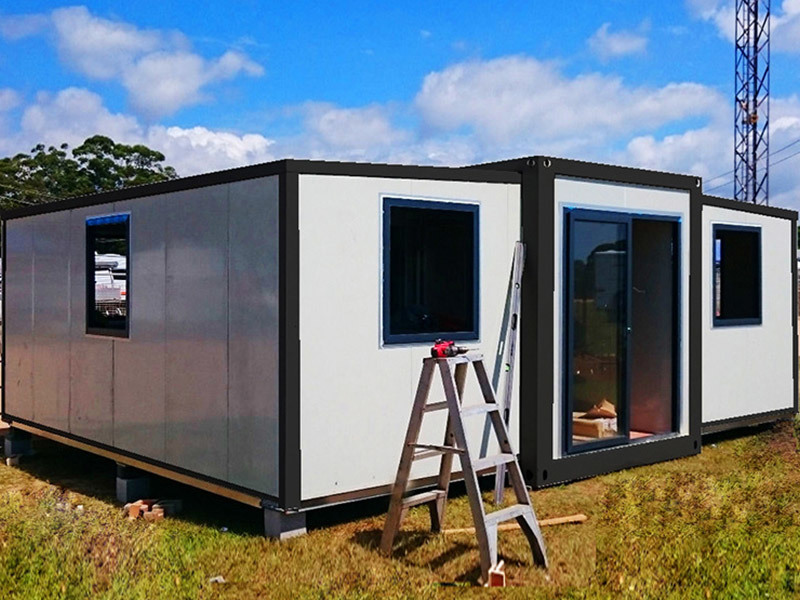
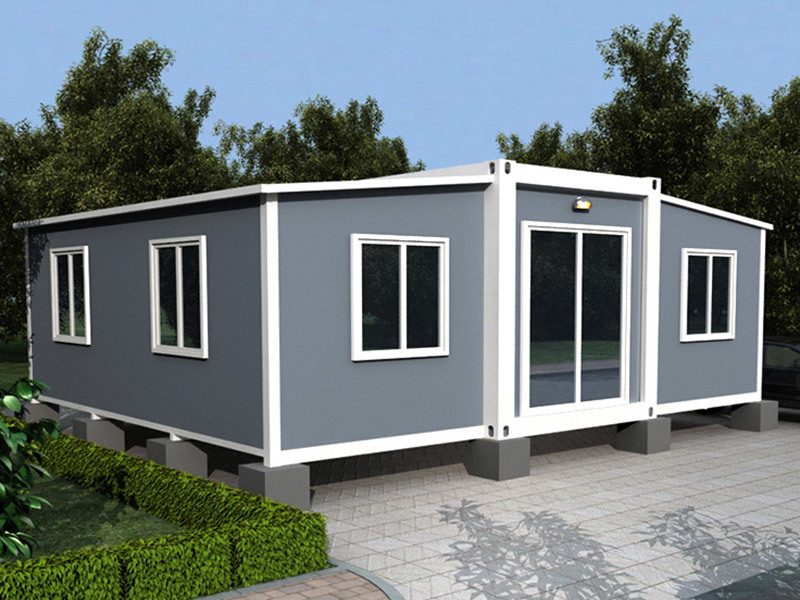
Foldable container homes represent a groundbreaking shift in modern architecture, merging functionality and innovation. As urban populations swell and housing demands escalate, these homes offer an adaptable solution to the ever-evolving landscape of living spaces. Constructed from repurposed shipping containers, they provide a unique blend of mobility, sustainability, and affordability.
2. The Concept of Container Architecture
Container architecture utilizes industrial shipping containers, repurposing them into livable spaces. This concept has gained traction owing to the rising need for faster construction processes and environmentally friendly building practices. Foldable container homes take this idea a step further, allowing for easy transport and setup, making them an ideal choice for a variety of applications.
3. Benefits of Foldable Container Homes
Foldable container homes offer an array of benefits that make them a desirable option in the housing market.
3.1 Sustainability and Environmental Impact
One of the paramount advantages of foldable container homes is their sustainability. By recycling shipping containers, we significantly reduce waste and the demand for traditional building materials. Moreover, these homes can be designed to incorporate renewable energy sources, such as solar panels, further minimizing their ecological footprint.
3.2 Cost-Effectiveness and Affordability
The cost-effectiveness of foldable container homes is another compelling factor. Traditional home construction can be prohibitively expensive, but container homes offer a more affordable alternative without sacrificing quality. The quick assembly process translates into reduced labor costs, and their durability ensures long-term savings.
4. Versatility in Design: Customization Options
Foldable container homes are exceptionally versatile when it comes to design. Homeowners can choose from a range of customization options, including the layout, color, and finishes. This adaptability allows for the creation of unique living spaces that cater to individual preferences and lifestyles.
Some popular customization options include:
- **Modular Designs**: Multiple containers can be combined to create larger living spaces.
- **Interior Layouts**: Open floor plans or segmented designs can be tailored to fit specific needs.
- **Exterior Aesthetics**: The exterior can be clad in various materials to enhance visual appeal.
5. Practical Applications of Foldable Container Homes
Foldable container homes serve numerous practical applications, making them a versatile solution.
5.1 Residential Uses
As housing costs soar, foldable container homes are becoming increasingly popular for residential purposes. They can be used as primary residences, vacation homes, or even guest houses, providing a modern yet economical living solution.
5.2 Commercial Solutions
Businesses are also tapping into the potential of foldable container homes. From pop-up shops and cafes to office spaces, these structures offer a unique commercial opportunity, reducing expenses while maintaining a creative edge.
5.3 Disaster Relief and Temporary Housing
In times of crisis, foldable container homes can be deployed rapidly as emergency housing solutions. Their portability and speed of assembly make them ideal for disaster relief efforts, providing safe shelter for displaced individuals and families.
6. Challenges of Foldable Container Homes
While foldable container homes present numerous advantages, they are not without challenges. Potential issues include:
- **Zoning Regulations**: Depending on the location, there may be strict zoning laws that affect the placement and use of container homes.
- **Insulation and Climate Control**: Containers are made of metal, which can pose challenges regarding insulation and temperature regulation. Proper insulation techniques and HVAC systems must be implemented.
- **Financing Options**: Securing financing for container homes can sometimes be more complex than traditional home loans, as they may not fit conventional mortgage criteria.
7. The Future of Foldable Container Homes in Modern Architecture
The future of foldable container homes looks bright as more architects and builders embrace this innovative approach. With an increasing focus on sustainability and the need for affordable housing solutions, these homes are likely to play a pivotal role in addressing modern challenges. Continued advancements in design and construction techniques will further enhance their appeal, making them a staple in contemporary architecture.
8. Frequently Asked Questions
What are the main benefits of living in a foldable container home?
Living in a foldable container home offers significant benefits, including sustainability, affordability, and customization options. These homes are also eco-friendly due to their use of recycled materials.
How long does it take to build a foldable container home?
The construction time for a foldable container home can vary based on design complexity, but generally, they can be completed in a matter of weeks, significantly quicker than traditional homes.
Can foldable container homes be permanent structures?
Yes, foldable container homes can be built to serve as permanent residences, provided they meet local building codes and zoning regulations.
Are foldable container homes energy-efficient?
Foldable container homes can be designed to be energy-efficient by incorporating insulation, solar panels, and energy-efficient appliances, contributing to their sustainability.
What customization options are available for foldable container homes?
Customization options for foldable container homes include layout design, exterior finishes, and interior features, allowing homeowners to create a space that suits their needs and preferences.
9. Conclusion
Foldable container homes embody the essence of modern architecture, blending sustainability, versatility, and affordability into a unique housing solution. As we navigate the challenges of contemporary living, these innovative structures provide an adaptive framework that not only meets our housing needs but also promotes environmental responsibility. With the potential to revolutionize how we think about home construction, foldable container homes are poised to lead the charge toward a more sustainable and efficient future in architecture.
Hot Tags:
Contact Us
E-mail:
Phone/WhatsApp:
Address:
No. 132 Renmin West Road, Fucheng County, Hengshui City, Hebei Province