Committed To Providing Customers With One-Stop Integrated Housing Solutions


Hebei Moerzhan Metal Products Co., Ltd.
Collapsible Houses: Embracing Eco-Friendly Living for a Sustainable Future
Oct 05,2025
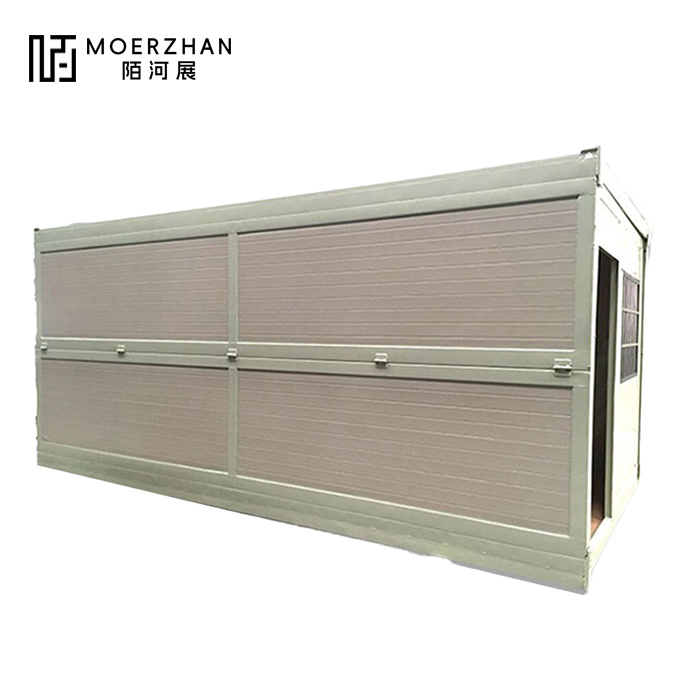
Collapsible Houses: Embracing Eco-Friendly Living for a Sustainable Future
Table of Contents
1. Understanding Collapsible Houses
2. The Rise of Eco-Friendly Living
3. Benefits of Collapsible Houses
3.1 Space-Efficiency and Portability
3.2 Environmental Impact and Sustainability
4. How Collapsible Houses Contribute to Sustainable Communities
5. Innovations in Building Materials and Techniques
5.1 Sustainable Materials Used in Collapsible Houses
5.2 The Role of Technology in Modern Collapsible Designs
6. Global Trends in Collapsible Housing
7. Challenges and Considerations
7.1 Zoning and Legal Issues
7.2 Consumer Perception and Acceptance
8. FAQs about Collapsible Houses and Eco-Friendly Living
9. Conclusion
1. Understanding Collapsible Houses
Collapsible houses, also known as portable or modular homes, are innovative structures designed for ease of assembly, disassembly, and transportation. Unlike traditional homes that require extensive construction processes, collapsible houses can be set up quickly and efficiently, making them an appealing option for those seeking flexible living arrangements. These structures are ideal for various applications, including disaster relief, temporary housing, and even permanent residences.
2. The Rise of Eco-Friendly Living
As global awareness of environmental issues increases, the demand for sustainable living solutions has grown significantly. People are becoming more conscious of their carbon footprint, prompting a shift towards eco-friendly lifestyles. This trend encompasses everything from energy-efficient appliances to sustainable building practices. Collapsible houses, with their minimal environmental impact and efficient use of resources, align perfectly with this movement toward greener living.
3. Benefits of Collapsible Houses
Collapsible houses offer a myriad of benefits that make them an attractive option for the environmentally conscious homeowner.
3.1 Space-Efficiency and Portability
One of the most significant advantages of collapsible houses is their space-efficient design. These homes can be easily transported, allowing owners to relocate without the hassle of selling or buying property. This feature is particularly beneficial for individuals who frequently move for work or those who enjoy a nomadic lifestyle.
3.2 Environmental Impact and Sustainability
Collapsible houses are designed with sustainability in mind. Their construction often utilizes eco-friendly materials, promoting a lower environmental impact compared to traditional homes. By minimizing waste and conserving resources, these structures contribute to a more sustainable future.
4. How Collapsible Houses Contribute to Sustainable Communities
Collapsible houses play a crucial role in building sustainable communities. They can be deployed in areas affected by natural disasters, providing immediate shelter to those in need. Additionally, these homes can be integrated into eco-villages or sustainable housing projects, promoting a sense of community while encouraging environmentally friendly practices.
5. Innovations in Building Materials and Techniques
The construction of collapsible houses has evolved significantly, thanks to advances in building materials and technologies.
5.1 Sustainable Materials Used in Collapsible Houses
Many collapsible houses are constructed using sustainable materials such as bamboo, recycled steel, and eco-friendly composites. These materials not only reduce the overall carbon footprint of the building process but also enhance the durability and longevity of the structures.
5.2 The Role of Technology in Modern Collapsible Designs
Innovative technologies such as 3D printing and modular construction techniques are revolutionizing the way collapsible houses are built. These advancements allow for greater customization, improved energy efficiency, and a reduction in construction time, making sustainable living more accessible than ever.
6. Global Trends in Collapsible Housing
The popularity of collapsible houses is on the rise worldwide, with various countries adopting these structures as a solution to housing shortages and environmental concerns. From urban settings to rural areas, collapsible homes are gaining traction as a viable alternative to traditional housing.
7. Challenges and Considerations
While collapsible houses offer numerous benefits, there are also challenges that potential homeowners should consider.
7.1 Zoning and Legal Issues
One of the significant challenges in the proliferation of collapsible houses is navigating zoning laws and building codes. In many areas, regulations may not accommodate these innovative structures, creating roadblocks for potential buyers.
7.2 Consumer Perception and Acceptance
Despite their advantages, some consumers may still harbor skepticism about the safety and durability of collapsible houses. Educating the public about the benefits and innovations in this field will be crucial in overcoming these perceptions.
8. FAQs about Collapsible Houses and Eco-Friendly Living
Q1: Are collapsible houses safe and durable?
A: Yes, collapsible houses are designed to meet safety standards and can be constructed using durable materials. Many models are engineered to withstand various environmental conditions.
Q2: How much do collapsible houses cost?
A: The cost of collapsible houses varies widely depending on the design, materials used, and size. Generally, they are more affordable than traditional homes, making them an attractive option for budget-conscious buyers.
Q3: Can collapsible houses be customized?
A: Absolutely! Many manufacturers offer customization options, allowing buyers to design their collapsible homes according to their preferences.
Q4: Are collapsible houses energy-efficient?
A: Most collapsible houses are built with energy efficiency in mind, featuring insulation, energy-efficient windows, and sometimes even solar panels.
Q5: What are the environmental benefits of collapsible houses?
A: Collapsible houses generally use sustainable materials, produce less construction waste, and promote resource conservation, contributing to a lower overall environmental impact.
9. Conclusion
As we navigate the challenges of urbanization and environmental degradation, collapsible houses emerge as a promising solution for sustainable living. Their innovative designs, eco-friendly materials, and adaptability make them a key player in the future of housing. By embracing collapsible houses, we can foster a lifestyle that prioritizes sustainability, community, and resilience, paving the way for a brighter, more eco-conscious future.
Hot Tags:
Contact Us
E-mail:
Phone/WhatsApp:
Address:
No. 132 Renmin West Road, Fucheng County, Hengshui City, Hebei Province