Committed To Providing Customers With One-Stop Integrated Housing Solutions


Hebei Moerzhan Metal Products Co., Ltd.
Why Choose Folding Prefab Homes? A Comprehensive Guide to Modern Living Solutions
Dec 04,2025

Why Choose Folding Prefab Homes? A Comprehensive Guide
Table of Contents
- Introduction to Folding Prefab Homes
- What Are Folding Prefab Homes?
- Benefits of Folding Prefab Homes
- How Do Folding Prefab Homes Work?
- Materials Used in Folding Prefab Homes
- Considerations Before Buying a Folding Prefab Home
- Lifestyle Adaptation and Usage Scenarios
- Conclusion
- Frequently Asked Questions
Introduction to Folding Prefab Homes
In today's fast-paced world, the demand for **affordable and efficient housing solutions** is at an all-time high. Folding prefab homes emerge as a revolutionary option that offers a blend of convenience, functionality, and sustainability. This comprehensive guide explores the intricacies of folding prefab homes, delving into their benefits, design features, and practical considerations for potential homeowners.
What Are Folding Prefab Homes?
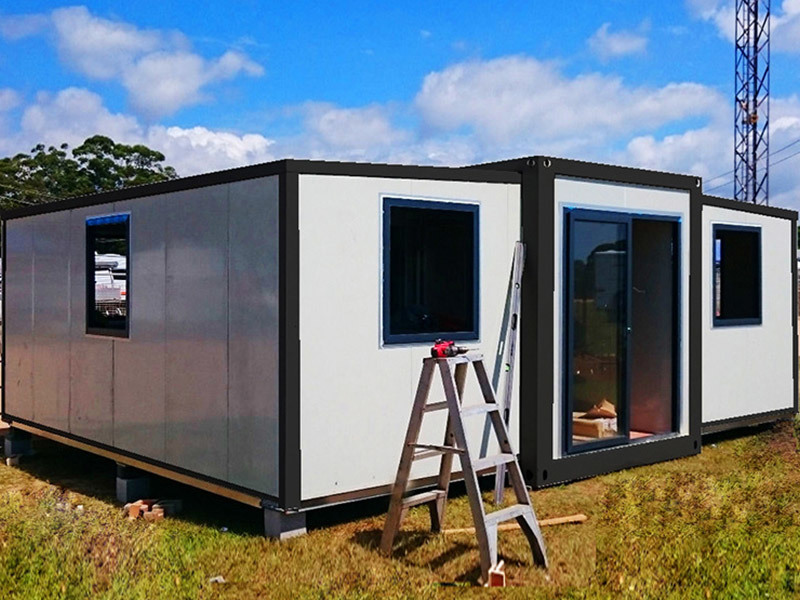
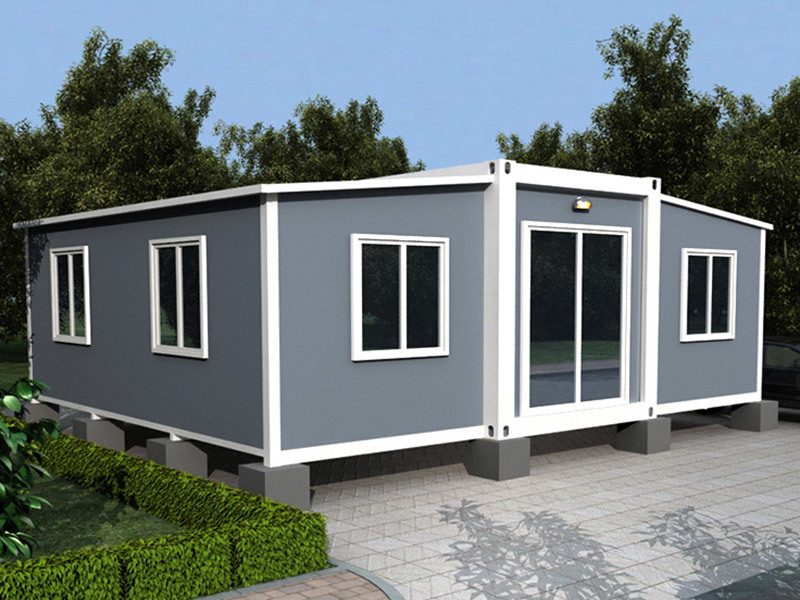
Folding prefab homes, often referred to as modular or prefabricated homes, are pre-manufactured structures that can be easily assembled on-site. These homes are designed to be compact, foldable, and highly versatile, allowing for easy transportation and quick setup. Typically constructed from lightweight materials, folding prefab homes offer innovative designs that maximize space while minimizing environmental impact.
Key Features of Folding Prefab Homes
1. **Space Efficiency**: Folding prefab homes can be designed to utilize every square foot effectively, making them ideal for smaller plots of land or urban environments.
2. **Transportability**: As these homes can be folded and compacted, they can be transported easily, reducing logistical challenges.
3. **Quick Assembly**: The assembly process for folding prefab homes is significantly quicker than traditional construction methods, often completed within weeks instead of months.
Benefits of Folding Prefab Homes
Folding prefab homes come with a myriad of advantages that cater to modern housing needs.
Cost-Effectiveness
One of the most compelling reasons to consider a folding prefab home is the overall **cost savings**. With lower construction costs due to streamlined manufacturing processes, homeowners can expect to save significantly compared to traditional building methods. These savings extend beyond the initial purchase price, as folding prefab homes generally entail lower maintenance costs and utility expenses due to their energy-efficient designs.
Sustainability and Eco-Friendliness
Folding prefab homes are often built with sustainability in mind. Many manufacturers prioritize eco-friendly materials and construction practices, minimizing waste and reducing the carbon footprint. With features such as solar panels and energy-efficient insulation, these homes can significantly reduce energy consumption, making them a smart choice for environmentally conscious buyers.
Speed of Construction
The manufacturing of folding prefab homes occurs in controlled environments, leading to a much faster construction timeline. Once on-site, assembly can take just a few days, allowing homeowners to move in sooner than they would with traditional homes. This speed is particularly beneficial in times of housing shortages or for individuals seeking immediate living solutions.
Design Flexibility and Customization
Folding prefab homes offer an array of customizable designs to suit different tastes and lifestyles. From modern aesthetics to rustic charm, potential homeowners can choose layouts, colors, and materials that reflect their personal style. This flexibility extends to the interior as well, allowing for bespoke configurations tailored to individual needs.
How Do Folding Prefab Homes Work?
Understanding the mechanics behind folding prefab homes is essential for prospective buyers. These homes are typically made up of **pre-engineered panels** that are manufactured in a factory. Once the components arrive at the site, they are unfolded and assembled using construction techniques that ensure structural integrity and durability.
The Assembly Process
The assembly process involves:
1. **Foundation Preparation**: A solid foundation is prepared to support the home.
2. **Panel Assembly**: The folded panels are unfolded and connected to create the home’s structure.
3. **Utilities Installation**: Essential utilities such as water, electricity, and sewage systems are installed.
4. **Finishing Touches**: Interior finishing, including flooring and cabinetry, is completed before move-in.
Materials Used in Folding Prefab Homes
The choice of materials in folding prefab homes is crucial for ensuring safety, durability, and energy efficiency. Common materials include:
- **Steel Frames**: Provide strength and resistance to environmental elements.
- **Sustainable Wood**: Often sourced from responsibly managed forests, offering aesthetic appeal and insulation properties.
- **Insulation Materials**: High-quality insulation is vital for energy efficiency, helping to maintain comfortable indoor temperatures.
Considerations Before Buying a Folding Prefab Home
Before diving into the purchase of a folding prefab home, there are several factors to consider that can influence your decision.
Regulatory Compliance
Ensure that the home meets local building codes and regulations. Some regions have specific requirements for prefabricated homes, and understanding these regulations can prevent future complications.
Land Ownership and Zoning
Check that you have the appropriate land for placing a folding prefab home and that your zoning allows for such structures. Different areas may have restrictions on home types, so it is essential to verify this before proceeding.
Financing Options
Look into various financing options available for prefabricated homes. Some lenders may have specific guidelines for prefab home loans, so it is beneficial to explore all avenues before making a decision.
Lifestyle Adaptation and Usage Scenarios
Folding prefab homes are adaptable to a variety of lifestyles and needs. They can serve as:
1. **Primary Residences**: Ideal for families or individuals seeking affordable and efficient living.
2. **Vacation Homes**: A perfect solution for those looking for a second home in scenic locations.
3. **Temporary Housing**: Useful for disaster relief situations or as quick accommodations for traveling professionals.
Conclusion
Folding prefab homes represent a modern solution to the challenges of conventional housing. With their cost-effectiveness, sustainability, and rapid construction features, these homes are gaining popularity among diverse groups. By understanding their benefits and considerations, prospective homeowners can make informed decisions that align with their lifestyle and values. Folding prefab homes are not just about shelter; they embody a forward-thinking approach to living that embraces innovation and sustainability.
Frequently Asked Questions
1. Are folding prefab homes durable?
Yes, folding prefab homes are built using durable materials and are designed to withstand various environmental conditions.
2. How long does it take to build a folding prefab home?
Typically, the assembly process can be completed within a few days to a few weeks, depending on the complexity of the design.
3. Can folding prefab homes be customized?
Absolutely! Many manufacturers offer a range of customization options in terms of layout, design, and materials.
4. What are the maintenance requirements for folding prefab homes?
Maintenance needs are generally similar to traditional homes, including routine inspections and care of materials used in construction.
5. Can I finance a folding prefab home like a traditional home?
Yes, many lenders offer financing options for prefabricated homes, although the requirements may differ from traditional home loans.
Hot Tags:
Contact Us
E-mail:
Phone/WhatsApp:
Address:
No. 132 Renmin West Road, Fucheng County, Hengshui City, Hebei Province